
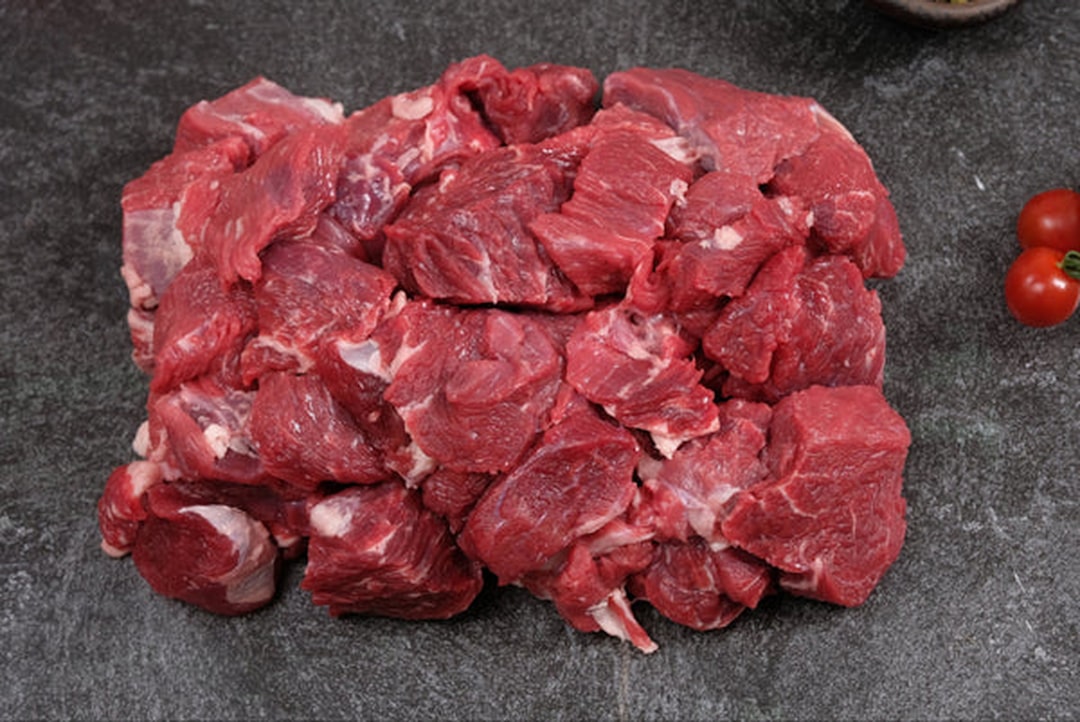
When it comes to cooking with ground beef, one of the first things you might notice is its color. Is bright red ground beef better than a red - brown grind? Let's delve into where the color of ground beef comes from, what it can tell us about freshness and quality, and how to determine if it has gone bad.
The color of ground beef is primarily influenced by a protein called myoglobin. Myoglobin is similar to hemoglobin in our blood and is responsible for storing oxygen in muscle tissues. When ground beef is first exposed to air, the myoglobin reacts with oxygen to form oxymyoglobin, which gives the meat its bright red color. This is often associated with fresh meat, as the oxygenation process is relatively new.
Over time, however, the oxymyoglobin can further react with oxygen and form metmyoglobin. Metmyoglobin has a red - brown or even brownish - gray color. This change in color doesn't necessarily mean the meat is bad. It simply indicates that the meat has been exposed to air for a longer period. In fact, many factors can affect how quickly this color change occurs, such as the packaging, storage temperature, and the amount of oxygen present in the environment.
Now, let's talk about freshness and quality. While a bright red color can be an indicator of fresh ground beef, it's not the only factor to consider. Freshness is also determined by the smell, texture, and the date of purchase. A fresh piece of ground beef should have a mild, meaty smell. If it has a sour or ammonia - like odor, it's likely spoiled.
The texture of fresh ground beef should be moist but not overly wet or sticky. If the meat feels slimy to the touch, it's a sign that bacteria have started to grow, and the meat is no longer safe to eat. Additionally, checking the sell - by or use - by date on the packaging is crucial. Even if the meat looks bright red, if it's past its expiration date, it's best to err on the side of caution.
As for quality, the color of ground beef doesn't always directly correlate with its nutritional value or taste. High - quality ground beef can come in different colors, depending on its age and storage conditions. Grass - fed beef, for example, may have a slightly different color profile compared to grain - fed beef, but this doesn't necessarily mean one is of higher quality than the other.
So, how can you tell if ground beef is bad? In addition to the smell and texture cues mentioned earlier, there are a few other signs to watch out for. Mold growth on the surface of the meat is an obvious indication that it's spoiled. If you see any green, white, or black spots on the ground beef, it should be discarded immediately.
Another sign of spoilage is the presence of excessive liquid in the packaging. While some moisture is normal, an unusually large amount of liquid can be a sign of bacterial growth and decomposition. If the ground beef has been frozen and then thawed, pay extra attention to its appearance and smell. Thawed ground beef that has been refrozen is more likely to spoil quickly.
When cooking ground beef, it's important to ensure that it reaches a safe internal temperature. The USDA recommends cooking ground beef to an internal temperature of 160°F (71°C) to kill any harmful bacteria, such as E. coli and Salmonella. Using a meat thermometer is the most accurate way to determine if the meat is cooked thoroughly.
In conclusion, the color of ground beef can provide some clues about its freshness, but it's not the sole determinant. By paying attention to the smell, texture, expiration date, and following proper cooking guidelines, you can ensure that you're using safe and high - quality ground beef in your recipes. Whether it's bright red or red - brown, as long as it meets the criteria for freshness and is cooked properly, you can enjoy delicious meat and poultry dishes made with ground beef.

Unleashing the Flavor: Mastering the Art of Marination
Unleashing the Flavor: Mastering the Art of Marination
Unleashing the Potential of Cabbage in Your Kitchen
Unleashing the Potential of Cabbage in Your Kitchen
Unveiling the Secrets of Perfectly Boiled Chicken
Unveiling the Secrets of Perfectly Boiled Chicken
Unveiling the Magic of Classic Peach Cobbler Recipes
Unveiling the Magic of Classic Peach Cobbler Recipes
Unveiling the Magic of Ina Garten's Spaghetti and Meatballs
Unveiling the Magic of Ina Garten's Spaghetti and Meatballs
Prolonging the Freshness of Your Fridge's Hidden Gem
Prolonging the Freshness of Your Fridge's Hidden Gem
The Magic of Savory Sauces in Your Kitchen
The Magic of Savory Sauces in Your Kitchen
The Orange - Your Culinary Companion
The Orange - Your Culinary Companion
Unlocking the Secret of Perfectly Boiled Sweet Potatoes
Unlocking the Secret of Perfectly Boiled Sweet Potatoes
Unleashing the Versatility of Okra: Four Cooking Methods
Unleashing the Versatility of Okra: Four Cooking Methods
Unveiling the Secrets of a Perfectly Roasted Whole Chicken
Unveiling the Secrets of a Perfectly Roasted Whole Chicken
The Magic of Homemade Hot Fudge Sauce
The Magic of Homemade Hot Fudge Sauce
The Avocado Dilemma: Small vs. Large for Faster Ripening
The Avocado Dilemma: Small vs. Large for Faster Ripening
Decoding the Color of Ground Beef: Freshness, Quality, and Spoilage
Decoding the Color of Ground Beef: Freshness, Quality, and Spoilage
Mastering the Art of Safe Chicken Defrosting
Mastering the Art of Safe Chicken Defrosting
The Magic of Cashew Sauce: A Versatile Twist for Your Dishes
The Magic of Cashew Sauce: A Versatile Twist for Your Dishes
Unveiling the Secret of John Legend’s Heavenly Mac and Cheese
Unveiling the Secret of John Legend’s Heavenly Mac and Cheese
A Tasty Pizza Cracker Adventure
A Tasty Pizza Cracker Adventure
Unveiling the Mysteries of Soy Sauce: From Production to Substitutes
Unveiling the Mysteries of Soy Sauce: From Production to Substitutes
The Secret Behind Choosing the Perfect Watermelon
The Secret Behind Choosing the Perfect Watermelon

