

Learning how to defrost chicken safely is a crucial skill for any home cook. It ensures that you can prepare your favorite chicken recipes without the worry of food - safety issues. In this guide, experts will take you through the various methods of defrosting chicken, including using the refrigerator, cold water, and the microwave, and will rank these methods from best to worst.
Defrosting Chicken in the Refrigerator
One of the safest ways to defrost chicken is in the refrigerator. This method allows for a slow and even thaw, reducing the risk of harmful bacteria growth. To defrost chicken in the refrigerator, place the frozen chicken in a shallow dish. This dish will catch any juices that may leak out during the thawing process, preventing cross - contamination.
For a whole chicken, it usually takes about 24 hours per 4 - 5 pounds to defrost in the refrigerator. For chicken pieces, such as breasts or thighs, it may take 12 - 24 hours. The key is to plan ahead. If you know you want to cook chicken for dinner tomorrow, start defrosting it in the refrigerator tonight. This gentle thawing method helps maintain the texture and flavor of the chicken, making it ideal for high - quality cooking.
Defrosting Chicken in Cold Water
If you're short on time, defrosting chicken in cold water is a viable option. First, seal the frozen chicken tightly in a leak - proof plastic bag. This prevents water from getting into the bag and diluting the chicken's flavor. Then, place the bag in a large bowl filled with cold water.
You'll need to change the water every 30 minutes to keep it cold. A pound of chicken typically takes about an hour to defrost using this method. While it's faster than the refrigerator method, it does require more hands - on attention. Also, make sure to cook the chicken immediately after it's defrosted to ensure food safety.
Defrosting Chicken in the Microwave
The microwave is the fastest way to defrost chicken, but it's also the riskiest. Most microwaves have a defrost setting, which you should use if available. Place the chicken on a microwave - safe plate and use the defrost setting according to the microwave's instructions.
However, microwaving can cause uneven thawing. Some parts of the chicken may start to cook while others are still frozen. This can lead to the growth of bacteria in the partially cooked areas. If you choose to use the microwave, make sure to cook the chicken right away. It's also a good idea to cut the chicken into smaller, more evenly - sized pieces before defrosting to improve the results.
Ranking the Defrosting Methods
1. Refrigerator: This is the best method for defrosting chicken. It's the safest, as it allows for a slow and even thaw, minimizing the risk of bacteria growth. It also preserves the chicken's texture and flavor.
2. Cold Water: This method is a good option when you're short on time but still want to defrost the chicken relatively safely. It requires more attention but is faster than the refrigerator method.
3. Microwave: While it's the fastest, it's also the least reliable method. The risk of uneven thawing and partial cooking makes it the least preferred option for defrosting chicken. However, it can be useful in a pinch if you cook the chicken immediately after defrosting.
In conclusion, by understanding these different methods of defrosting chicken and their rankings, you can make informed decisions when it comes to preparing your chicken dishes. Whether you have plenty of time or are in a hurry, there's a defrosting method that will work for you, ensuring that your chicken is safe to eat and delicious to enjoy.
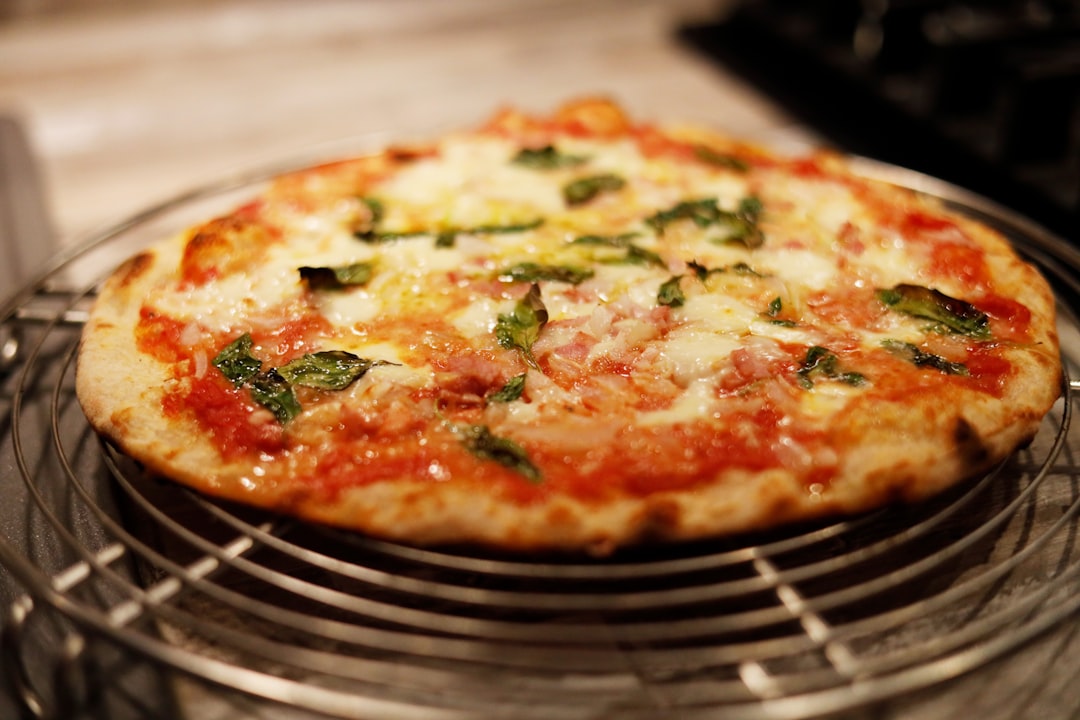
Unleashing the Flavor: Mastering the Art of Marination
Unleashing the Flavor: Mastering the Art of Marination
Unleashing the Potential of Cabbage in Your Kitchen
Unleashing the Potential of Cabbage in Your Kitchen
Unveiling the Secrets of Perfectly Boiled Chicken
Unveiling the Secrets of Perfectly Boiled Chicken
Unveiling the Magic of Classic Peach Cobbler Recipes
Unveiling the Magic of Classic Peach Cobbler Recipes
Unveiling the Magic of Ina Garten's Spaghetti and Meatballs
Unveiling the Magic of Ina Garten's Spaghetti and Meatballs
Prolonging the Freshness of Your Fridge's Hidden Gem
Prolonging the Freshness of Your Fridge's Hidden Gem
The Magic of Savory Sauces in Your Kitchen
The Magic of Savory Sauces in Your Kitchen
The Orange - Your Culinary Companion
The Orange - Your Culinary Companion
Unlocking the Secret of Perfectly Boiled Sweet Potatoes
Unlocking the Secret of Perfectly Boiled Sweet Potatoes
Unleashing the Versatility of Okra: Four Cooking Methods
Unleashing the Versatility of Okra: Four Cooking Methods
Unveiling the Secrets of a Perfectly Roasted Whole Chicken
Unveiling the Secrets of a Perfectly Roasted Whole Chicken
The Magic of Homemade Hot Fudge Sauce
The Magic of Homemade Hot Fudge Sauce
The Avocado Dilemma: Small vs. Large for Faster Ripening
The Avocado Dilemma: Small vs. Large for Faster Ripening
Decoding the Color of Ground Beef: Freshness, Quality, and Spoilage
Decoding the Color of Ground Beef: Freshness, Quality, and Spoilage
Mastering the Art of Safe Chicken Defrosting
Mastering the Art of Safe Chicken Defrosting
The Magic of Cashew Sauce: A Versatile Twist for Your Dishes
The Magic of Cashew Sauce: A Versatile Twist for Your Dishes
Unveiling the Secret of John Legend’s Heavenly Mac and Cheese
Unveiling the Secret of John Legend’s Heavenly Mac and Cheese
A Tasty Pizza Cracker Adventure
A Tasty Pizza Cracker Adventure
Unveiling the Mysteries of Soy Sauce: From Production to Substitutes
Unveiling the Mysteries of Soy Sauce: From Production to Substitutes
The Secret Behind Choosing the Perfect Watermelon
The Secret Behind Choosing the Perfect Watermelon

