
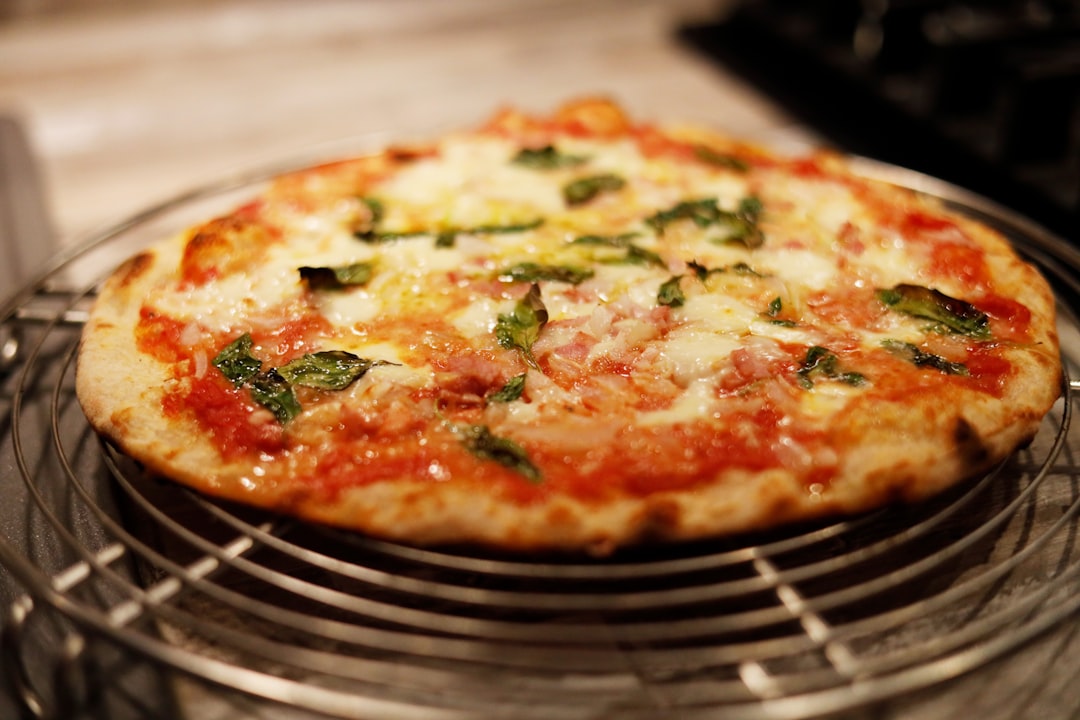
Unleashing the Flavor: Mastering the Art of Marination

16K
798
199
2025-10-28
Unleashing the Flavor: Mastering the Art of Marination

Marination is a culinary technique that has been used for centuries to enhance the flavor, tenderness, and juiciness of various ingredients. Whether you're cooking meat, poultry, fish, or vegetables, knowing how to marinate them properly can take your meals from ordinary to extraordinary. In this guide, we'll explore the science behind marination, the different types of marinades, and provide you with step-by-step instructions on how to create delicious and safe marinades for your favorite dishes.

The Science of Marination

Marination works by allowing the flavors and seasonings in the marinade to penetrate the surface of the food. The acid in the marinade, such as vinegar, lemon juice, or yogurt, helps to break down the connective tissues in meat and poultry, making them more tender. The salt in the marinade helps to draw out moisture from the food, which then gets reabsorbed along with the flavors of the marinade, resulting in a more flavorful and juicy end product. Additionally, the herbs, spices, and other ingredients in the marinade add depth and complexity to the flavor of the food.

Types of Marinades

There are several types of marinades, each with its own unique flavor profile and purpose. Here are some of the most common types:

  • Acidic Marinades: These marinades typically contain vinegar, lemon juice, or yogurt as the main acid component. They are great for tenderizing meat and poultry and adding a bright, tangy flavor. Examples of acidic marinades include Italian dressing, teriyaki sauce, and lemon herb marinade.
  • Oil-Based Marinades: These marinades use oil as the base and are often combined with herbs, spices, and other flavorings. The oil helps to lock in the moisture and flavors of the food and also prevents it from sticking to the cooking surface. Examples of oil-based marinades include olive oil and garlic marinade, sesame oil and ginger marinade, and avocado oil and lime marinade.
  • Spice Rubs: Spice rubs are a dry mixture of herbs, spices, and seasonings that are rubbed onto the surface of the food before cooking. They are a great way to add a bold and intense flavor to the food without the need for a liquid marinade. Examples of spice rubs include barbecue rub, Cajun rub, and Indian spice rub.
  • Brines: Brines are a solution of salt and water that are used to soak the food before cooking. They are particularly effective for poultry and pork as they help to keep the meat moist and juicy. Brines can also be flavored with herbs, spices, and other ingredients to add extra flavor to the food. Examples of brines include turkey brine, pork brine, and chicken brine.

How to Make a Marinade

Making a marinade is easy and requires only a few basic ingredients. Here's a simple recipe for a basic marinade:

Basic Marinade Recipe

  • 1/4 cup olive oil
  • 2 tablespoons vinegar (such as balsamic, red wine, or white wine vinegar)
  • 2 tablespoons soy sauce
  • 1 clove garlic, minced
  • 1 teaspoon honey or brown sugar
  • 1/2 teaspoon dried herbs (such as thyme, rosemary, or oregano)
  • Salt and pepper to taste

To make the marinade, simply combine all the ingredients in a bowl and whisk until well combined. You can adjust the ingredients to suit your taste preferences. For example, if you like a spicier marinade, you can add some red pepper flakes or hot sauce. If you prefer a sweeter marinade, you can add more honey or brown sugar.

How to Marinate Food

Once you've made your marinade, it's time to marinate your food. Here are some general guidelines to follow:

  • Choose the Right Container: Use a non-reactive container, such as a glass or plastic container, to marinate your food. Avoid using metal containers as the acid in the marinade can react with the metal and cause the food to taste metallic.
  • Cut the Food into the Right Size: If you're marinating meat or poultry, cut it into smaller pieces to allow the marinade to penetrate more easily. If you're marinating vegetables, cut them into uniform pieces so that they cook evenly.
  • Add the Food to the Marinade: Place the food in the container with the marinade and make sure it is completely submerged. If the food is too large to fit in the container, you can use a resealable plastic bag to marinate it.
  • Refrigerate the Food: Place the container or bag with the food and marinade in the refrigerator and let it marinate for the recommended amount of time. The longer you marinate the food, the more flavorful it will be, but be careful not to over-marinate as the acid in the marinade can break down the food too much and make it mushy.
  • Discard the Used Marinade: Once you've removed the food from the marinade, discard the used marinade. Do not reuse the marinade as it may contain bacteria from the raw food.

How Long to Marinate Food

The amount of time you should marinate your food depends on the type of food and the type of marinade you're using. Here are some general guidelines:

  • Meat and Poultry: For tender cuts of meat and poultry, such as chicken breasts and pork chops, marinate for 1-2 hours. For tougher cuts of meat, such as beef brisket and lamb shanks, marinate for 4-24 hours.
  • Fish and Seafood: Fish and seafood are more delicate than meat and poultry, so they should be marinated for a shorter period of time. Marinate fish and seafood for 15-30 minutes.
  • Vegetables: Vegetables can be marinated for 30 minutes to 2 hours, depending on their size and texture.

Safe Marinating Practices

When marinating food, it's important to follow some safe practices to prevent the growth of bacteria and ensure the safety of your food. Here are some tips to keep in mind:

  • Keep the Food Cold: Always marinate your food in the refrigerator to prevent the growth of bacteria. Do not leave the food at room temperature for more than 2 hours.
  • Use Fresh Ingredients: Use fresh ingredients in your marinade to ensure the best flavor and safety. Do not use expired or spoiled ingredients.
  • Wash Your Hands: Wash your hands thoroughly with soap and water before and after handling raw food and marinade.
  • Use Separate Utensils: Use separate utensils, such as knives and cutting boards, for raw and cooked food to prevent cross-contamination.
  • Cook the Food Thoroughly: Make sure to cook the marinated food to the recommended internal temperature to kill any bacteria that may be present.

Conclusion

Marination is a simple and effective way to enhance the flavor, tenderness, and juiciness of your food. By following the tips and guidelines in this guide, you can create delicious and safe marinades for your favorite dishes. So, the next time you're cooking meat, poultry, fish, or vegetables, try marinating them and see the difference it makes. Your taste buds will thank you!

Related Article

Unleashing the Flavor: Mastering the Art of Marination
16K
798
199

Unleashing the Flavor: Mastering the Art of Marination

Unleashing the Flavor: Mastering the Art of Marination

Unleashing the Potential of Cabbage in Your Kitchen
24.3K
1.5K
203

Unleashing the Potential of Cabbage in Your Kitchen

Unleashing the Potential of Cabbage in Your Kitchen
Unveiling the Secrets of Perfectly Boiled Chicken
46.9K
4.2K
1K

Unveiling the Secrets of Perfectly Boiled Chicken

Unveiling the Secrets of Perfectly Boiled Chicken
Unveiling the Magic of Classic Peach Cobbler Recipes
13.9K
697
202

Unveiling the Magic of Classic Peach Cobbler Recipes

Unveiling the Magic of Classic Peach Cobbler Recipes
Unveiling the Magic of Ina Garten's Spaghetti and Meatballs
37.7K
1.1K
441

Unveiling the Magic of Ina Garten's Spaghetti and Meatballs

Unveiling the Magic of Ina Garten's Spaghetti and Meatballs
Prolonging the Freshness of Your Fridge's Hidden Gem
4.3K
86
19

Prolonging the Freshness of Your Fridge's Hidden Gem

Prolonging the Freshness of Your Fridge's Hidden Gem
The Magic of Savory Sauces in Your Kitchen
42.3K
3.8K
1.3K

The Magic of Savory Sauces in Your Kitchen

The Magic of Savory Sauces in Your Kitchen
The Orange - Your Culinary Companion
9.3K
462
194

The Orange - Your Culinary Companion

The Orange - Your Culinary Companion

Unlocking the Secret of Perfectly Boiled Sweet Potatoes
46.2K
924
295

Unlocking the Secret of Perfectly Boiled Sweet Potatoes

Unlocking the Secret of Perfectly Boiled Sweet Potatoes

Unleashing the Versatility of Okra: Four Cooking Methods
48.6K
1.9K
873

Unleashing the Versatility of Okra: Four Cooking Methods

Unleashing the Versatility of Okra: Four Cooking Methods
Unveiling the Secrets of a Perfectly Roasted Whole Chicken
1.3K
100
14

Unveiling the Secrets of a Perfectly Roasted Whole Chicken

Unveiling the Secrets of a Perfectly Roasted Whole Chicken
The Magic of Homemade Hot Fudge Sauce
22.6K
2.3K
699

The Magic of Homemade Hot Fudge Sauce

The Magic of Homemade Hot Fudge Sauce

The Avocado Dilemma: Small vs. Large for Faster Ripening
8.7K
608
200

The Avocado Dilemma: Small vs. Large for Faster Ripening

The Avocado Dilemma: Small vs. Large for Faster Ripening
Decoding the Color of Ground Beef: Freshness, Quality, and Spoilage
3.5K
141
66

Decoding the Color of Ground Beef: Freshness, Quality, and Spoilage

Decoding the Color of Ground Beef: Freshness, Quality, and Spoilage

Mastering the Art of Safe Chicken Defrosting

39K
780
273

Mastering the Art of Safe Chicken Defrosting

Mastering the Art of Safe Chicken Defrosting
The Magic of Cashew Sauce: A Versatile Twist for Your Dishes
15.4K
462
212

The Magic of Cashew Sauce: A Versatile Twist for Your Dishes

The Magic of Cashew Sauce: A Versatile Twist for Your Dishes
Unveiling the Secret of John Legend’s Heavenly Mac and Cheese
9.5K
762
289

Unveiling the Secret of John Legend’s Heavenly Mac and Cheese

Unveiling the Secret of John Legend’s Heavenly Mac and Cheese
A Tasty Pizza Cracker Adventure
14.1K
281
106

A Tasty Pizza Cracker Adventure

A Tasty Pizza Cracker Adventure

Unveiling the Mysteries of Soy Sauce: From Production to Substitutes
32.8K
1.6K
639

Unveiling the Mysteries of Soy Sauce: From Production to Substitutes

Unveiling the Mysteries of Soy Sauce: From Production to Substitutes
The Secret Behind Choosing the Perfect Watermelon
36.8K
2.6K
1.2K

The Secret Behind Choosing the Perfect Watermelon

The Secret Behind Choosing the Perfect Watermelon